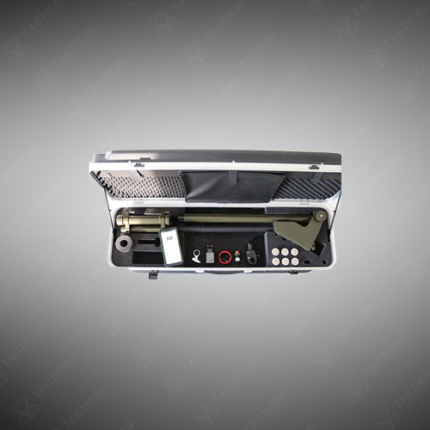
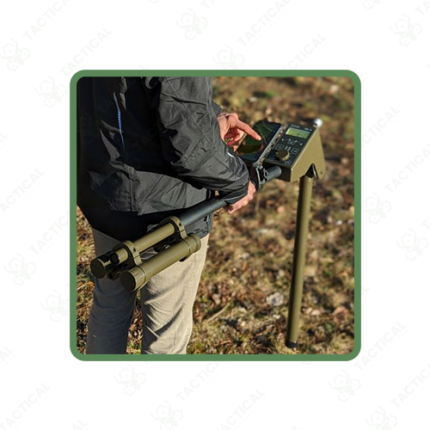
Ferromagnetic Detection System
A ferromagnetic detection system is a geophysical instrument measuring spatial variations in magnetic field revealing presence of ferrous metallic objects enabling detection of buried steel debris, unexploded ordnance (UXO), or concealed weapons without requiring excavation. The detection approach identifies metallic threats invisible to optical inspection.
Premium ferromagnetic detection systems employ proton precession or optically-pumped magnetometer sensors detecting Earth’s magnetic field perturbations from ferrous object presence. Sensitivity specifications typically achieve detection of ferrous masses at depths 2–5 metres depending on object size and magnetic properties. Spatial resolution enables anomaly localisation within metre-scale accuracy enabling targeted investigation.
Operational deployment includes unexploded ordnance (UXO) detection enabling landmine and buried bomb identification, utility location identifying metallic pipes or cables preventing accidental damage, archaeological surveying detecting buried artefacts without destructive excavation, and security applications detecting concealed weapons in facilities. Real-time measurement during survey enables rapid area coverage identifying multiple anomalies.
Data processing applies spatial filtering and threshold detection separating genuine anomalies from background magnetic noise enabling operator interpretation. Visualisation systems enable mapping of anomaly distribution enabling geographic trend analysis.
Advanced capabilities include three-dimensional positioning enabling precise object localisation, automated anomaly classification algorithms distinguishing threat objects from non-hazardous metallic debris, and integration with GPS/GNSS enabling geographic archival of anomaly locations.
In Pakistan, ferromagnetic detection systems support UXO detection and utility location services.
Tactical Supply Pakistan supplies ferromagnetic detection systems for geophysical survey and threat detection applications.
Showing the single result