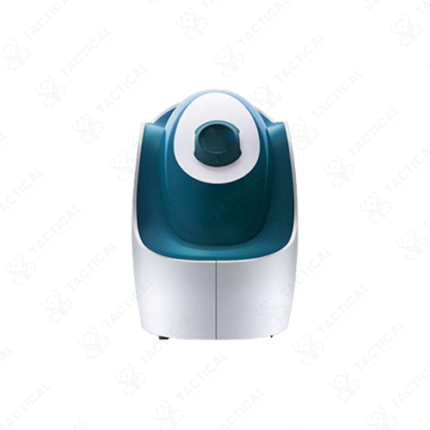
Eye Segments
Eye segments refer to isolated eye tissue specimens obtained during forensic pathology examinations or medical research enabling detailed examination of ocular trauma, chemical exposure, or disease processes. The tissue analysis approach provides microscopic characterisation of eye injury enabling forensic cause-of-death determination or medical research advancement.
Eye segment preservation employs specialised fixatives (typically formalin) enabling tissue preservation across extended storage periods. Segmentation procedures separate anterior segments (cornea, lens, iris) from posterior segments (retina, optic nerve, choroid) enabling focused examination. Microscopic examination reveals chemical burns, thermal injury, mechanical trauma, or disease-related changes enabling pathological characterisation.
Forensic applications include determination of drowning (characteristic retinal haemorrhages), chemical exposure (corneal damage from caustic agents), blunt trauma (retinal detachment or haemorrhage), and thermal injury (corneal opacity from heat exposure). Detailed examination enables objective injury characterisation supporting cause-of-death determination independent of witness accounts or circumstantial evidence.
Medical research applications include investigation of ocular disease processes, evaluation of pharmaceutical safety, and biomaterial compatibility testing. Tissue analysis enables understanding of disease mechanisms and treatment efficacy.
Collection procedures employ specialised dissection instruments enabling careful tissue separation without artifact. Proper fixation prevents tissue degradation enabling analysis across extended periods. Chain-of-custody documentation ensures specimen integrity.
In Pakistan, eye segment analysis supports forensic pathology and medical research.
Tactical Supply Pakistan supplies eye segment preservation and analysis services for forensic and medical applications.
Showing the single result