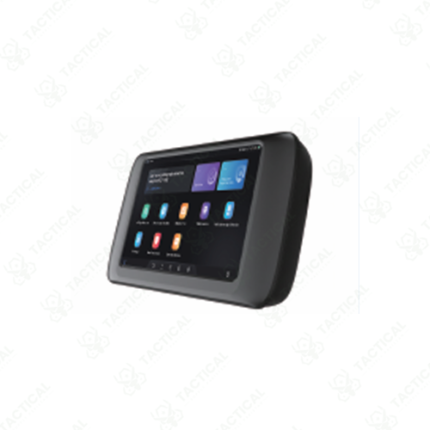
Eavesdropping
Eavesdropping, in the context of security and counterintelligence, refers to the covert interception of private communications — including spoken conversations, telephone calls, digital data transmissions, and electronic signals — without the knowledge or consent of the parties involved. From a technical security perspective, understanding eavesdropping methods and the equipment used to conduct them is foundational to designing and deploying effective technical surveillance countermeasures (TSCM) for sensitive facilities, executive protection operations, and classified communication environments.
Acoustic eavesdropping techniques include the use of contact microphones or accelerometers placed against walls, windows, or surfaces to capture vibrations produced by speech within a room, laser microphones that detect window glass vibration from distances of 100 to 300 meters using a reflected laser beam, and concealed directional microphones or parabolic dish arrays for long-range audio capture in open environments. Electronic eavesdropping covers the interception of radio frequency communications, including unencrypted voice and data transmissions on VHF, UHF, cellular, and Wi-Fi networks, as well as the planting of covert RF transmitter bugs within rooms, vehicles, or objects that relay audio to a remote receiver.
Technical surveillance countermeasures against eavesdropping include non-linear junction detectors (NLJD) for locating hidden electronic devices within walls and furniture, RF spectrum analyzers for identifying unauthorized transmission sources within a protected space, acoustic noise generators producing white or pink noise masking to prevent audio capture through walls and windows, and physical inspection protocols for identifying concealed microphones in objects, fixtures, and infrastructure.
Secure communication countermeasures include end-to-end encrypted voice and data platforms, TEMPEST-shielded communication rooms, and signal jamming of specific RF bands within a protected zone.
In Pakistan, eavesdropping awareness and countermeasure capability is relevant for government ministries, corporate boardrooms, legal and judicial facilities, diplomatic missions, and executive protection operations handling sensitive information.
Tactical Supply Pakistan supplies eavesdropping countermeasure equipment including TSCM instruments, RF detection systems, and acoustic masking devices for security and institutional procurement across Pakistan.
Showing the single result