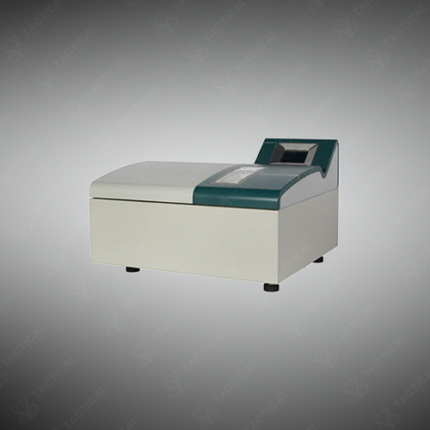
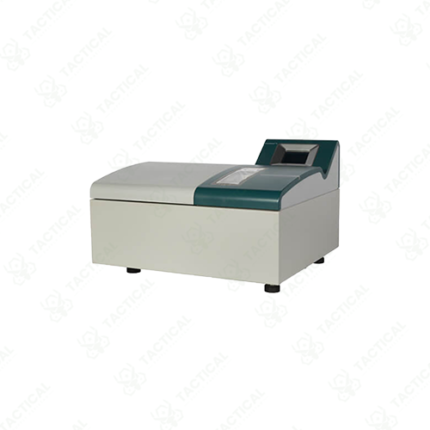
DNA Microarray Chips
DNA microarray chips are miniaturised laboratory devices containing thousands of immobilised DNA probes enabling simultaneous detection and quantification of genetic variations, gene expressions, or sequence polymorphisms through nucleic acid hybridisation. The chip format provides portable analytical capability enabling field deployment or high-throughput laboratory screening.
Premium DNA microarray chips employ high-density probe arrays (typically 10,000–1,000,000 probes per chip) representing comprehensive genetic markers, disease-associated variants, or entire gene sequences. Probe design ensures specificity preventing cross-hybridisation to non-target sequences. Glass or silicon substrate provides chemically-stable surface enabling consistent probe immobilisation.
Operational procedures involve sample DNA labelling with fluorescent dyes, hybridisation on chip surfaces (typically 12–24 hours), washing removing unbound sample, and automated scanning detecting fluorescence at each probe location. Spot intensity quantifies target DNA abundance enabling genetic characterisation. Data analysis identifies positive signals distinguishing genuine genetic markers from background noise.
Microarray chip applications span forensic genetic profiling enabling rapid suspect identification through comprehensive marker analysis, medical diagnostics identifying disease-associated genetic variants, ancestry analysis determining population origins, and agricultural genomics characterising crop or livestock genetics. High-throughput capability enables analysis of thousands of genetic markers per specimen.
Cost-effectiveness enables routine screening without prohibitive expense. Reusable chip technology reduces per-analysis cost below equivalent sequential analysis methods.
In Pakistan, DNA microarray chips support law enforcement forensics and medical diagnostics.
Tactical Supply Pakistan supplies DNA microarray chips for forensic and diagnostic analysis applications.
Showing the single result