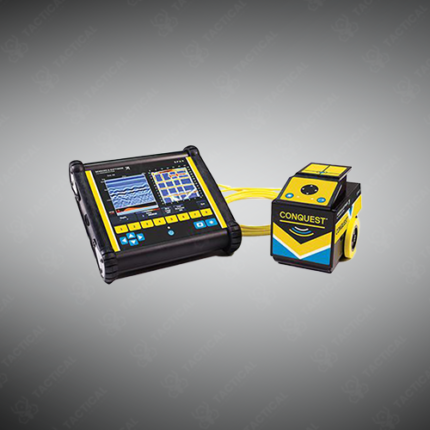
Concrete Scanning
Concrete scanning is a non-destructive investigation method used to identify and map objects embedded within concrete slabs, walls, columns, and foundations before any cutting, coring, drilling, or demolition work begins. Using technologies such as ground-penetrating radar (GPR), electromagnetic induction, and impulse radar, concrete scanning equipment transmits signals into the structure and captures return data to produce a visual representation of what lies beneath the surface. This allows operators to locate rebar grids, post-tension cables, electrical conduits, water pipes, voids, and delamination zones without breaking the surface.
In Pakistan’s rapidly expanding construction and infrastructure sector, concrete scanning is increasingly critical for avoiding costly structural damage and worker injury during renovation, retrofitting, and new-build tie-in work. Civil engineering firms, demolition contractors, and government infrastructure projects operating on older or undocumented structures rely on scanning data to plan safe penetrations and structural modifications. Security and military engineering teams use it to assess the internal composition of fortified structures during facility evaluation or breach planning.
Modern concrete scanners operate at depths ranging from 100mm to over 400mm depending on the device and concrete density. Results are displayed in real-time on integrated screens and can be exported for documentation and reporting. No coupling agents or surface preparation are typically required for GPR-based systems.
Tactical Supply Pakistan supplies professional-grade concrete scanning equipment suited for field deployment across construction, security, and infrastructure applications throughout the country.
Showing the single result