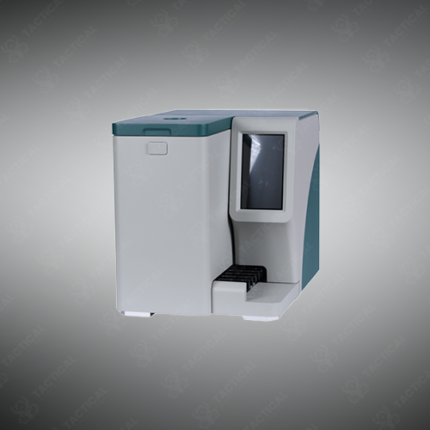
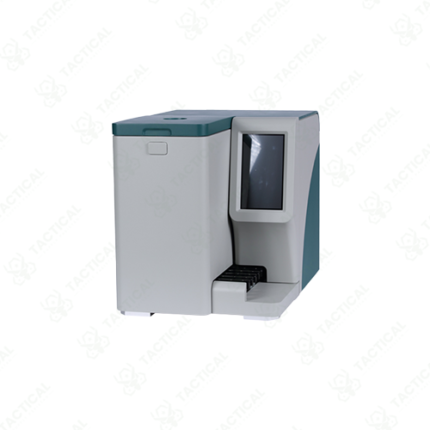
Centrifuge Machine
A Centrifuge Machine is a laboratory and industrial device that uses high-speed rotation to separate substances of different densities within a liquid mixture. As the rotor spins, centrifugal force pushes denser particles or liquids outward toward the base of the sample tube or chamber, while lighter components remain closer to the center — achieving separation that would take significantly longer through gravity settling alone.
Laboratory centrifuges are available in multiple configurations including microcentrifuges, benchtop models, refrigerated units, and high-speed ultracentrifuges. Rotor speeds typically range from 1,000 RPM for basic blood separation tasks up to 100,000 RPM for ultracentrifuge applications involving virus isolation or macromolecule separation. Tube capacity varies by model, accommodating sample volumes from 0.5ml microtubes up to 500ml bottles in larger preparative units.
Refrigerated centrifuges maintain sample temperatures between -20°C and +40°C during runs, preventing heat-sensitive biological or chemical samples from degrading at high speeds. Digital control panels allow operators to set precise RPM or RCF values, run duration, acceleration and deceleration profiles, and temperature parameters.
In Pakistan, centrifuge machines are used across hospital and diagnostic laboratories for blood component separation, pharmaceutical manufacturing for compound extraction, food testing facilities, textile effluent analysis, and university research departments conducting biological and chemical studies.
Industrial centrifuges handle larger batch volumes for continuous separation processes in chemical plants and wastewater treatment facilities across the country.
Tactical Supply Pakistan supplies centrifuge machines for laboratory, medical, and industrial applications nationwide.
Showing the single result