Anti-UAV Detection and Identification
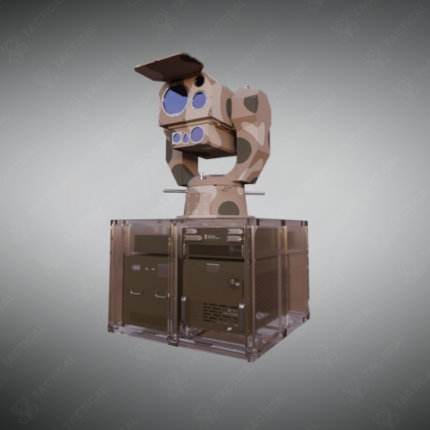
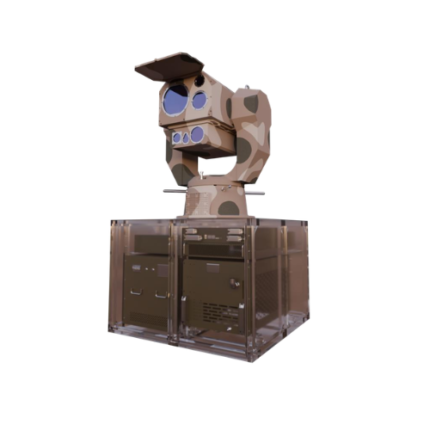
Anti-UAV detection and identification systems are sensor and processing platforms designed to locate, classify, and track unmanned aerial vehicles across a defined airspace, distinguishing legitimate commercial drones from hostile or unauthorised platforms through signature analysis and threat assessment logic. The detection function operates passively — without emitting signals that reveal the security installation’s presence to the drone operator — making these systems suitable for covert deployment at sensitive facilities where detection silence is operationally critical.
Detection mechanisms typically combine radio frequency scanning, radar, and electro-optical sensing into a multi-modal architecture. RF scanners monitor drone command frequencies — 433MHz, 915MHz, 2.4GHz, 5.8GHz — and video downlink bands, geolocating the signal origin to compute bearing and approximate range to the emitter. Radar systems — either compact millimetre-wave arrays or larger pulse-Doppler configurations — provide kinematic data independent of RF emissions, tracking drones maintaining radio silence. Electro-optical and thermal camera clusters provide visual identification of drone morphology, enabling classification of specific commercial models or custom military platforms.
Fusion algorithms integrate data across all sensor modalities, resolving single-sensor ambiguities and computing high-confidence threat bearing and altitude estimates. Alert outputs trigger when detection confidence exceeds configurable thresholds, providing operators with drone position, altitude, velocity vector, and preliminary threat classification for rapid response decision-making.
Processing latency from initial detection to alert generation typically ranges from 5 to 20 seconds depending on the number of simultaneous targets and processing power allocation.
In Pakistan, anti-UAV detection and identification systems protect military installations, critical infrastructure including power plants and water treatment facilities, government compounds, and VIP venues where drone reconnaissance or attack poses operational risk.
Tactical Supply Pakistan supplies anti-UAV detection and identification systems for fixed-site and mobile deployments across defence and critical infrastructure protection applications.
Showing the single result