
Handheld Drone Passive Detection System
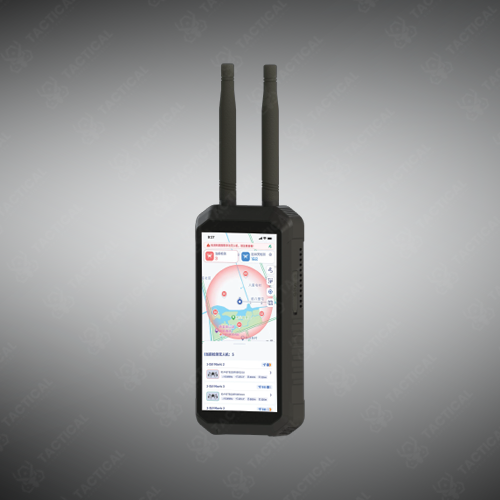
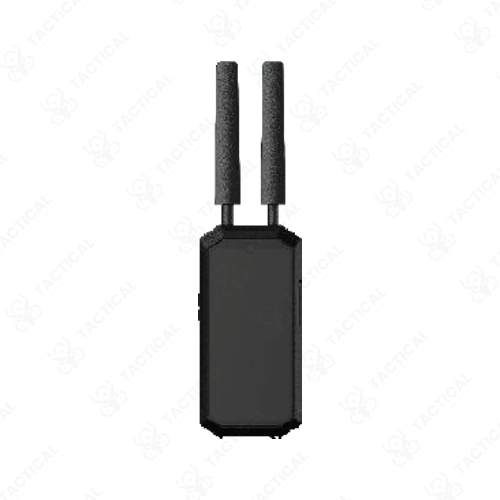
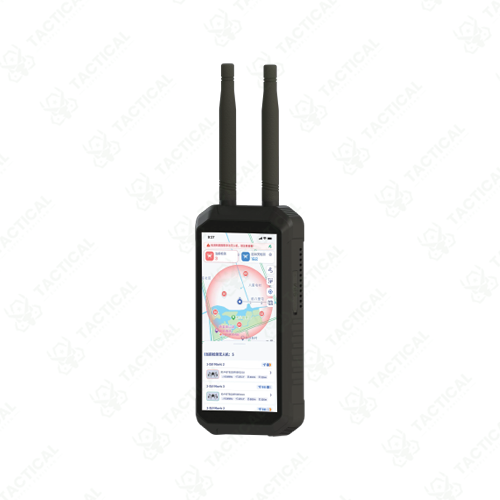
Handheld Drone Passive Detection System is a counter-UAS tool designed for real-time drone detection and pilot identification without emitting any active RF signals.
Key Features:
✔️ Fully passive RF detection with zero electromagnetic emission
✔️ Wideband monitoring from 100 MHz to 6 GHz across dual external antennas
✔️ Detects and identifies drones on 800/900 MHz, 1.2 GHz, 2.4 GHz, 5.2/5.8 GHz, Wi-Fi, and optional 433 MHz bands
✔️ High sensitivity down to -95 dBm for early drone discovery
✔️ Simultaneous detection of up to 15 drones with 10 real-time flight tracks
✔️ Accurate pilot and drone positioning with ≤3 m precision for supported protocols
✔️ Fast response time under 5 seconds from detection to confirmation
✔️ Long-lasting 12,000 mAh battery delivering 3–4 hours of continuous operation
✔️ Lightweight handheld design (580 g) with a 6.0-inch real-time display
✔️ Supports DJI Drone ID, MAVLink, Parrot, TBS Crossfire, and other data chains
Handheld Drone Passive Detection System
The Handheld Drone Passive Detection System measures 177mm x 89mm x 29.9mm and weighs 580 grams without antennas. This unit operates through passive signal interception without transmitting electromagnetic emissions that could alert drone operators or interfere with surrounding radio equipment. The 6.0-inch screen displays real-time data while two external antennas cover 100-6000MHz and 600-6000MHz respectively with gains ranging from -6.7 to 4.5 dBi. Detection bands include 800/900MHz, 1.2GHz, 2.4GHz, 5.2/5.8GHz, WiFi, and optional 433MHz frequencies with -95dBm sensitivity.
The system identifies up to 15 drones simultaneously and tracks 10 trajectory paths with position accuracy within 3 meters for decodable aircraft. Response time stays under 5 seconds from initial detection to target confirmation. Battery capacity reaches 12000mAh, providing 3 to 4 hours continuous operation with Type-C charging that supports Power Delivery 3.0 protocol. The device extracts serial numbers, model types, geographic coordinates, altitude, speed, and remote controller locations from DJI Drone ID protocols, Mavlink, Parrot, TBS CrossFire, and other manufacturer data chains. Motion detection functions up to 60 kilometers per hour, allowing operators to work from moving vehicles.
Law enforcement teams use the Handheld Drone Passive Detection System during covert surveillance operations where active jamming signals would compromise undercover positioning. Prison security staff carry these units during perimeter walks to identify contraband delivery drones without alerting smuggling networks. Wildlife conservation rangers employ them to track poaching drones in protected reserves where electromagnetic silence prevents animal disturbance. Investigators monitor pilot locations through real-time controller tracking, then coordinate ground teams for apprehension using the built-in wireless intercom feature that links multiple devices.
Tactical Supply Pakistan distributes passive detection equipment that prioritizes stealth over active countermeasures. The company trains operators on black-and-white list management and network platform integration for coordinated multi-unit operations.
How does passive detection differ from active radar systems in practical field deployment?
Passive systems intercept existing drone-to-controller communications without broadcasting detectable signals, making them invisible to counter-surveillance equipment, while active radar emits radio waves that hostile operators can detect and avoid, compromising the detection team’s position during sensitive missions.
- Fast Shipping: We partner with reliable delivery services to make sure your order gets to you quickly. We work hard to ensure every package arrives safely and on time.
- Quick Processing: Your order is processed and prepared for shipping within 24 to 48 hours. This allows us to send it out to you as fast as possible after your payment is confirmed.
- Tracking: Once your order is on its way, we will provide you with a tracking number. You can use this number to easily follow your package's journey and know exactly when it will arrive.
- Nationwide Delivery: We offer delivery to all locations across Pakistan, including major cities and remote areas. No matter where you are, we can get your order to you.
At Tactical Supply Pakistan, our relationship with you doesn't end after a sale. We are dedicated to making the long-term performance and reliability of our high-quality tactical and supplied equipment. Our commitment is to provide you with seamless support and peace of mind.
- Free Installation: We'll set up your new equipment for you, so it's ready to go. You can focus on your work while our engineers handle as per the guidelines for manufacturer.
- Maintenance: We offer quick replacements where necessary, to keep your gear in top condition. Our team will make sure your equipment is always ready when you need it.
- Customer Support: We're always here to help. Our support team is available to answer your questions and assist you long after you've made a purchase.
- Planned Preventative Maintenance: Our service includes preventative maintenance to keep your equipment in peak condition and prevent future issues.
HAVE QUESTIONS?
Fill out the form, and our team will respond promptly to assist with your product inquiries or order support.