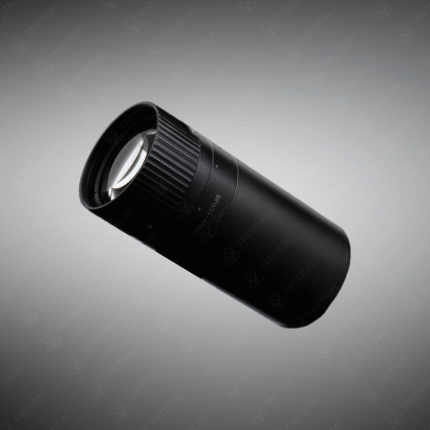
Scientific Low Light VNIR Camera
A Scientific Low Light VNIR Camera is a high-sensitivity imaging sensor optimized for the Visible to Near-Infrared spectrum (typically 400-1000nm) designed for scientific research. Unlike standard cameras, it excels in extremely low-light conditions, often utilizing back-illuminated CMOS sensors or electron-multiplying CCD (EMCCD) technology to achieve high quantum efficiency with minimal noise. These cameras are used in astronomy (for star and galaxy imaging), spectroscopy, biomedical imaging (like fluorescence microscopy), and night vision research, where capturing clear, quantitative data from very faint light sources is paramount.
-
Extreme low-light sensitivity for scientific imaging in the VNIR range.
-
Uses technologies like back-illuminated sensors or EMCCD for high quantum efficiency.
-
Provides quantitative, low-noise data for research applications.
-
Used in astronomy, night sky surveys, laboratory spectroscopy, and biomedical imaging.
-
Often features cooling to reduce dark current and long exposure capabilities.
-
A critical tool for researchers needing to image faint signals invisible to conventional cameras.
Capture the faintest light for science. Scientific Low Light VNIR Cameras enable imaging and spectroscopy in near-total darkness.
Showing the single result