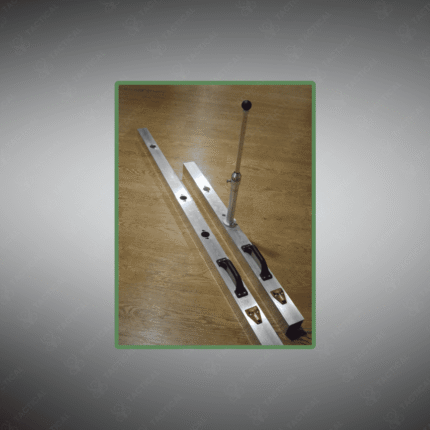
Best Surface Hole Depth Gauges
-
Range & scale of measurement — Ensure the gauge covers the depth ranges you’ll encounter (for example 0‑950 mm or 0‑1950 mm) so it’s suitable for large surface holes or ruts.
-
Precision & readability — Look for clear measurement scales (mm/inch) or digital readout, so you can reliably report hole depth to acceptable tolerance for your application.
-
Robust base & leveling features — Because you’ll measure surface holes, the device should include a stable base and bubble inclinometers or spirit levels to ensure the base sits true on irregular terrain.
-
Suitable length & portability — For site work (runways, aprons) choose gauges with appropriate rod/column lengths (e.g., 0.95 m or 1.95 m) for different hole depths and workable in field conditions.
-
Durable construction & weather resistance — Built for outdoor use: aluminium or stainless‑steel column, corrosion resistant components, rugged for construction/airport apron environments.
-
Supplier support & calibration traceability — Ensure the gauge comes with calibration certificate or supplier offers service; important for measurement audits especially on heavy infrastructure.
Showing the single result