

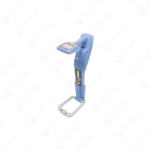

RF (Radio Frequency) Marker Locator
Specialized utility locator for accurately detecting buried RF markers and non-conductive infrastructure, enabling safe excavation, mapping, and maintenance of underground assets.
Key Features:
✔️ Detects buried RF markers for plastic pipes, fiber optic cables, and non-metallic utilities
✔️ Combines RF marker detection with utility line tracing in a single device
✔️ Multiple active and passive locate modes for versatile field use
✔️ Advanced signal processing for precise locating in complex networks
✔️ Wide frequency range with custom frequency support for specialized assets
✔️ Onboard GPS and logging for accurate mapping and record-keeping
✔️ Current direction detection and interference filtering for congested sites
✔️ Rugged, ergonomic design suitable for demanding outdoor environments
RF (Radio Frequency) Marker Locator
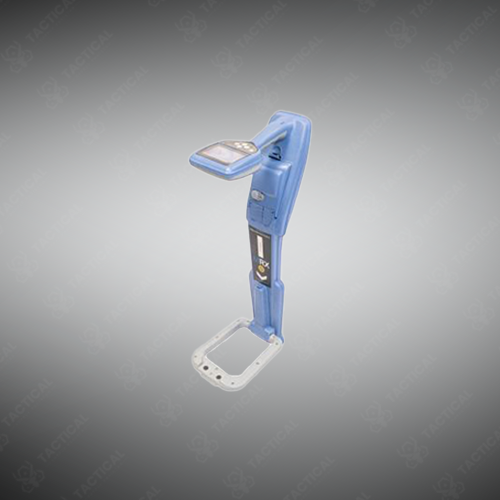
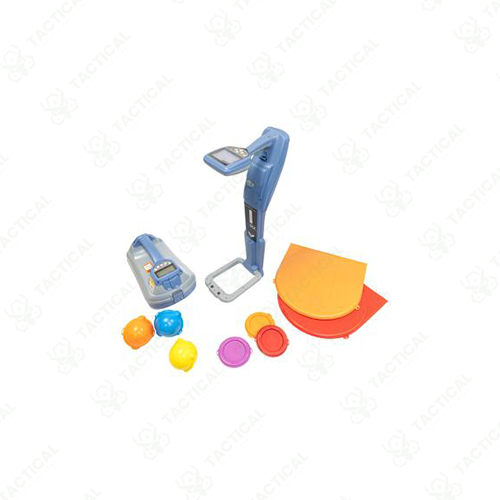
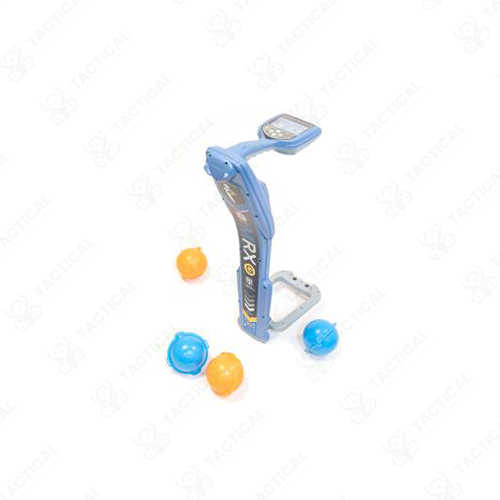
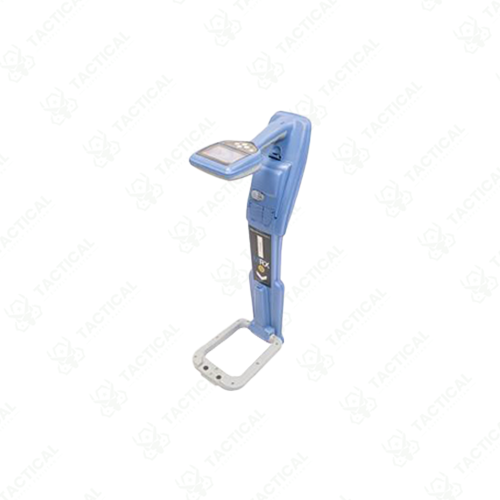
RF (Radio Frequency) Marker Locator operates by emitting radio frequency signals that activate passive marker devices buried alongside underground utilities. These markers contain resonant circuits tuned to specific frequencies, allowing the locator to detect their response signals even when utilities themselves are non-conductive. The device features dual operational modes: RF marker detection for passive tags and active utility tracing for metallic infrastructure. Its antenna array provides directional guidance through visual indicators and variable-pitch audio tones that intensify as the operator approaches the marker position.
The MRX model supports multiple frequency bands for compatibility with common marker types including marker balls, near-surface tags, and full-range markers. The MRX G variant expands capability with 21 active locate frequencies, onboard GPS logging, and current direction detection for complex network tracing. Both units feature impact-resistant polymer housings with sealed button interfaces and sunlight-readable LCD screens. Battery compartments accommodate field-replaceable cells without requiring tool access.
Telecommunications field crews use the RF (Radio Frequency) Marker Locator to trace fiber optic routes marked with buried RF tags at splice points and junction locations. Military installation maintenance teams deploy these locators to identify plastic water and sewer lines on bases where metallic tracer wire has degraded or was never installed. Airforce civil engineers locate marker balls placed along fuel pipeline routes crossing runways and taxiways during pavement repair projects.
Tactical Supply Pakistan equips infrastructure professionals with RF detection systems that reveal non-metallic utility networks invisible to standard electromagnetic locators. The company supports safe excavation practices across sectors managing buried plastic and fiber assets.
What depth range can these locators reliably detect RF markers?
Detection depth varies by marker type, with near-surface markers detectable to approximately one meter and full-range markers reaching depths of three meters under optimal soil conditions.
- Fast Shipping: We partner with reliable delivery services to make sure your order gets to you quickly. We work hard to ensure every package arrives safely and on time.
- Quick Processing: Your order is processed and prepared for shipping within 24 to 48 hours. This allows us to send it out to you as fast as possible after your payment is confirmed.
- Tracking: Once your order is on its way, we will provide you with a tracking number. You can use this number to easily follow your package's journey and know exactly when it will arrive.
- Nationwide Delivery: We offer delivery to all locations across Pakistan, including major cities and remote areas. No matter where you are, we can get your order to you.
At Tactical Supply Pakistan, our relationship with you doesn't end after a sale. We are dedicated to making the long-term performance and reliability of our high-quality tactical and supplied equipment. Our commitment is to provide you with seamless support and peace of mind.
- Free Installation: We'll set up your new equipment for you, so it's ready to go. You can focus on your work while our engineers handle as per the guidelines for manufacturer.
- Maintenance: We offer quick replacements where necessary, to keep your gear in top condition. Our team will make sure your equipment is always ready when you need it.
- Customer Support: We're always here to help. Our support team is available to answer your questions and assist you long after you've made a purchase.
- Planned Preventative Maintenance: Our service includes preventative maintenance to keep your equipment in peak condition and prevent future issues.
HAVE QUESTIONS?
Fill out the form, and our team will respond promptly to assist with your product inquiries or order support.