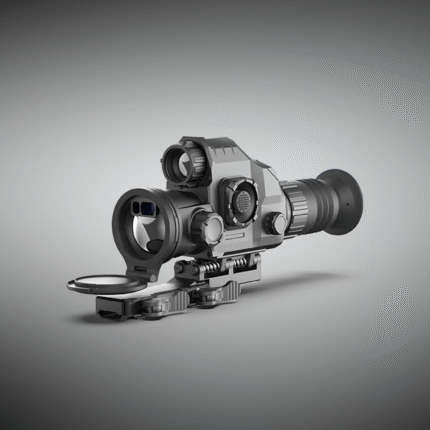
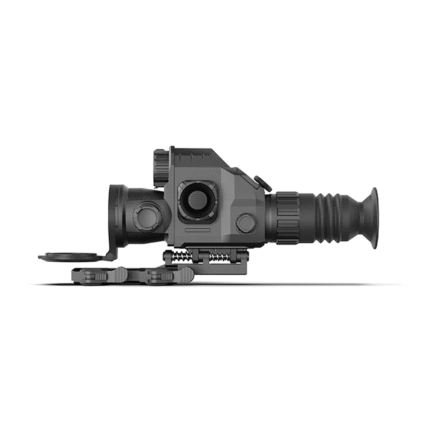
Night Vision vs Thermal vs Infrared
-
Night Vision (Image Intensification) – Amplifies available visible and near-infrared light to create a visible image; works best in low-light conditions but struggles in complete darkness.
-
Thermal Imaging – Detects heat (infrared radiation) emitted by objects; works in total darkness, fog, smoke, or camouflage, independent of visible light.
-
Infrared (Active IR Illumination) – Uses IR LEDs or lasers to illuminate a scene; night vision devices can detect this reflected IR light, useful for short-range observation.
-
Operational Range – Night vision typically has medium range, thermal has long range depending on sensor, IR depends on LED power and reflection.
-
Detection vs Identification – Thermal excels at detection (spotting heat sources), night vision excels at identification (seeing shapes/details), IR helps in enhancing night vision visibility.
-
Applications – Night vision: tactical and navigation; Thermal: search-and-rescue, surveillance, vehicle targeting; IR: short-range covert monitoring and security cameras.
Showing the single result