Night Vision
Generation / Tube Technology: For I² systems, devices are often classified by “Gen 1”, “Gen 2”, “Gen 3”, etc., reflecting performance improvements. For example, Gen 3 devices offer much greater amplification and better performance in very low‑light conditions.
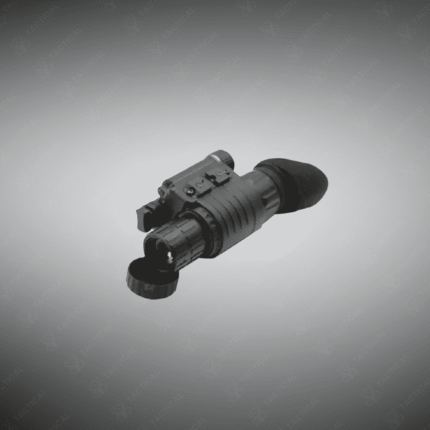
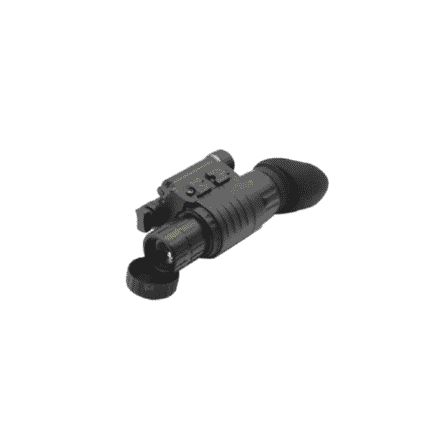
Form‑Factor: NVDs may be binocular (two eyes), monocular (one eye), handheld, helmet‑mounted, weapon‑mounted, or fixed‑camera style.
Low‑Light Sensitivity & Gain Control: Many premium devices include auto‑gating (to handle bright lights, flash), wide dynamic range, good resolution.
Thermal Sensor Resolution & Spectral Range: For thermal systems, look at detector size (e.g., 640×512), pixel pitch, lens size, spectral band (e.g., 8‑14 µm for long‑wave IR) and image stability.
Durability, Environmental & Operational Conditions: Since night missions often involve harsh conditions, look for rugged build (shock, vibration), temperature range, waterproofing, mounting compatibility.
Integration & Use Case Fit: Whether it’s for infantry, vehicle/armour use, surveillance or aviation, the mounting, compatibility with helmet/weapon, night vision displays, or integration into systems matter.
Showing the single result