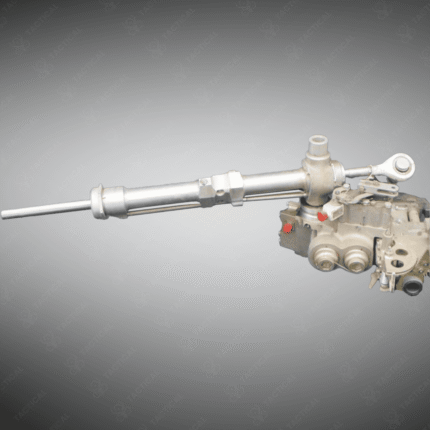
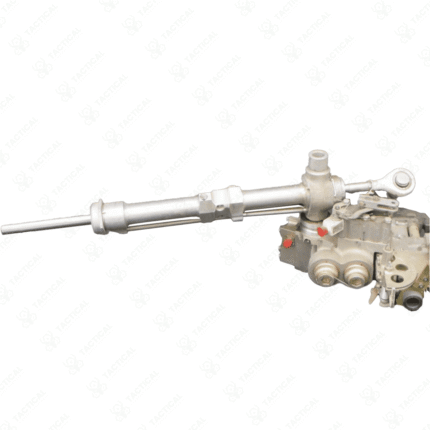
Jet Control Actuator
-
Function & Purpose: A jet control actuator converts an electrical or hydraulic control command into mechanical movement of critical engine or flight‑control components (such as thrust vectoring nozzles, fuel valves, or aerodynamic surfaces). For example, aircraft actuators convert flight control system outputs into motion of control surfaces.
-
Types of Actuation: Actuators may be hydraulic, pneumatic, electromechanical, or electromagnetic. In modern aircraft, there’s a shift toward electromagnetic or electro‑hydrostatic actuators for improved reliability and reduced maintenance.
-
Technical Requirements: High response speed, high force/torque density, low weight, ability to operate in extreme temperatures (‑55 °C to +85 °C), vibrations, and high shock loads.
-
Applications in Jet Systems: They are used in engine control (fuel metering, bleed air systems, variable geometry nozzles), thrust vectoring, flight‑control surfaces on jets, and sometimes in “jet actuators” for fluidic control of flow over surfaces.
-
Safety & Redundancy: Because of the critical nature of the functions they serve, jet control actuators often include redundancy (dual‑drive motors, backup power), fail‑safe return positions, monitoring sensors (position, temperature, current) and compliance with industry standards for aerospace.
-
Supplier & Integration Considerations: When specifying a jet control actuator, you must consider certifications (aerospace grade, MIL‑STD or civil equivalent), compatibility with control‑system interfaces (electrical, hydraulic/pneumatic), maintenance/repair support, and lifecycle. Major suppliers such as Moog provide aircraft actuation systems listed under “Aircraft Actuators – Flight Control Systems / Engine Controls”.
Showing the single result