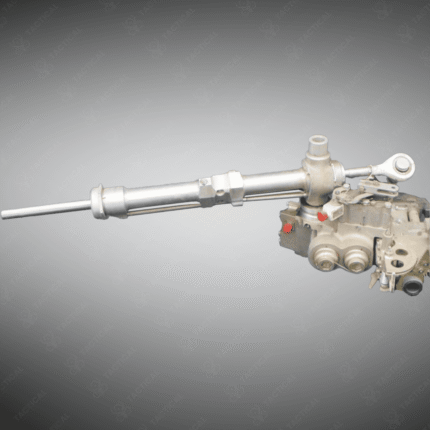
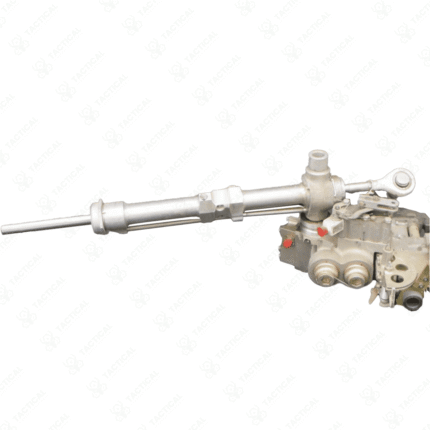
Hydraulic Flight Control
-
Purpose: Uses hydraulic power to move control surfaces (ailerons, elevators, rudders) so pilots can command large aerodynamic loads with minimal physical effort.
-
Components: Typical system includes hydraulic pumps (engine‑driven or electric), reservoirs, actuators (hydraulic cylinders or rotary actuators), control valves, servoactuators, and fluid lines.
-
Redundancy & Safety: Designed with multiple, independent hydraulic circuits and fail‑safe paths (e.g., multiple pumps, cross‑feed valves) so control remains available after a component failure.
-
Control Laws & Feedback: Often integrated with fly‑by‑wire or mechanical input stages; servovalves and sensors provide position feedback and damping for smooth, accurate control.
-
Advantages: High power density (can move large surfaces at high speed/force), precise response, and reliable performance in a wide range of temperatures and altitudes.
-
Maintenance & Risks: Requires regular fluid checks, contamination control, seal/line inspection, and leak detection—fluid loss or contamination can degrade performance or cause failure, so strict maintenance and certification procedures are essential.
Showing the single result