Co-Designing Robot Dogs with and for Neurodivergent
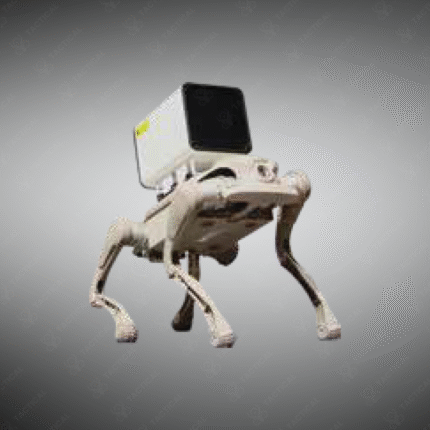
Co-Designing Robot Dogs with and for Neurodivergent individuals represents an innovative, human-centered approach to creating assistive and therapeutic robotic companions. This collaborative design process actively involves neurodivergent people (such as those with Autism, ADHD, or Sensory Processing Disorder) as essential partners—not just end-users—in defining the robot’s behaviors, interactions, and features. The goal is to develop robots that provide calming sensory input, social skill support, routine assistance, and non-judgmental companionship, tailored to the unique sensory, communication, and emotional needs of the neurodivergent community.
Key Co-Design Principles & Potential Benefits:
– Sensory-Responsive Behaviors: Designing movements, sounds, and lights that are predictable, soothing, and avoid sensory overload (e.g., gentle nuzzling, rhythmic patting).
– Non-Verbal & Predictable Interaction: Creating clear, consistent cues and responses to aid in communication and reduce social anxiety.
– Routine & Task Support: Programming to assist with daily schedules, provide reminders, or guide through tasks in a structured, patient manner.
– Emotional Regulation Aid: Incorporating features like deep pressure therapy simulation or biofeedback to help manage anxiety or meltdowns.
– Agency & Control: Ensuring the user has clear, simple ways to direct the robot’s actions, fostering a sense of autonomy and safety.
– Reducing Social Isolation: Providing a safe, low-pressure social bridge that can encourage interaction with others or offer companionship.
Pioneering inclusive technology for well-being. For insights into assistive robotics and human-centered design, connect with the experts at Tactical Supply Pakistan.
Showing the single result