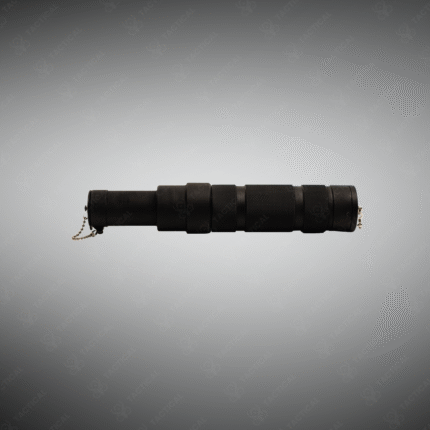
Beta-Probe
A Beta-Probe is a highly sensitive, handheld radiation detection instrument specifically engineered to locate and measure surface contamination from beta-emitting radioactive isotopes. Unlike general-purpose Geiger counters, it features a large-area, thin-window detector (often a pancake Geiger-Müller tube or plastic scintillator) optimized to detect low-energy beta particles that cannot penetrate thicker casings. It is an indispensable tool for health physics, nuclear facility decommissioning, environmental monitoring, and emergency response, enabling precise identification of contaminated areas on skin, clothing, equipment, and surfaces to ensure strict safety protocols are met.
Key Design & Operational Features:
– Large-Area, Thin-Window Detector: Maximizes sensitivity to beta radiation with a window thin enough to be penetrated by weak beta emitters like Carbon-14 or Tritium.
– High Sensitivity & Low Background: Capable of detecting very low levels of surface activity, often in counts per minute (CPM) or Becquerels per square centimeter (Bq/cm²).
– Contamination Mapping: Used for systematic “frisking” or scanning of personnel, tools, and floors to create detailed contamination maps for cleanup and control.
– Audible & Visual Output: Provides variable-rate audible clicks and a digital readout (often with a moving needle on analog models) to guide the user to the exact contamination point.
– Rugged & Decontaminable Housing: Built for industrial environments with a smooth casing that can be easily wiped clean to prevent the spread of contamination.
– Specific Isotope Applications: Critical for monitoring in laboratories, hospitals (for nuclear medicine), and nuclear power plants where beta emitters like Sr-90, P-32, or I-131 are used.
Ensure meticulous radiological hygiene and safety. Source professional-grade Beta-Probes and contamination monitoring equipment from Tactical Supply Pakistan.
Showing the single result