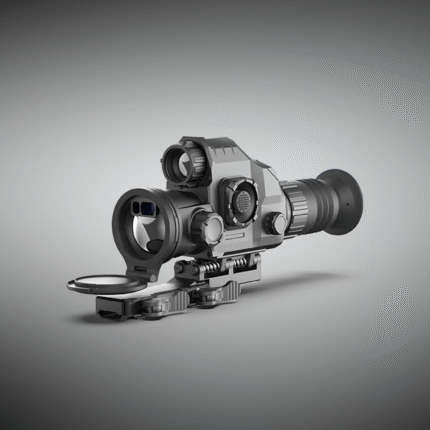
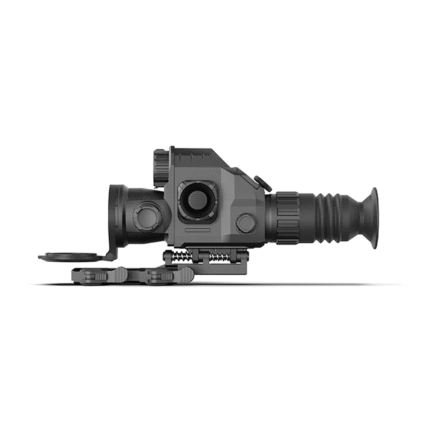
Best Thermal Imaging & Night Vision Device
-
Sensor resolution & sensitivity (thermal) + image‑intensifier quality (night vision) — For thermal: higher resolution e.g. 640×480, low NETD (Noise Equivalent Temperature Difference) improves image quality. For night vision: generation (Gen 2/3), resolution, low‑light gain etc.
-
Detection / recognition range & optics — How far you can detect a target (person, vehicle) and how accurate the recognition is, plus appropriate lens/focus/zoom. e.g., some devices detect people at 1,000+ yards.
-
Dual‑mode capability or combined thermal + night vision — For full versatility: ability to do classical IR/night vision plus thermal so you can operate in total darkness, low light and also detect heat signatures behind foliage or smoke.
-
Ergonomics & durability — Field‑ready build: rugged housing, weather resistance (IP rating), portability (hand‑held, helmet, monocular) and good battery life.
-
Data & connectivity features — Video recording, photo capture, WiFi/USB export, built‑in memory, possibly GPS/sharing. Some modern devices support live streaming.
-
Support, availability & regional logistic issues — Ensure the device you choose is available in your region (Pakistan or your country), parts/spares exist, legal/ import/export issues understood, and cost fits your budget.
Showing the single result