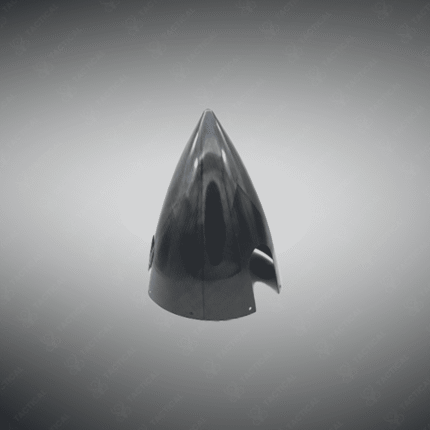
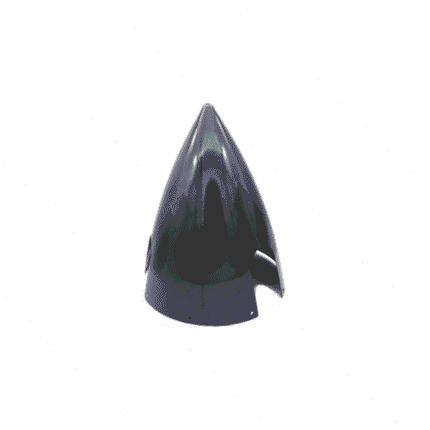
Best Propeller Spinner for Aircrafts
-
Material & construction quality — Common materials include spun aluminum alloy or composite domes (e.g., Kevlar® or carbon‑fibre) backed by aluminum bulkheads. For example, MT‑Propeller offers composite spinners that “replace the spin formed aluminum” for lighter weight and corrosion resistance.
-
Correct size, fit and compatibility — The spinner must match your propeller type (number of blades, hub size), engine/airframe configuration (tractor or pusher), and mounting hardware. For instance, the Airmaster AS‑10.3 spinner is specified for AP3/4 series propellers with a 10.3″ diameter.
-
Balance & aerodynamic finish — Spinners need to be precisely balanced (front & rear bulkheads, dome) to avoid vibrations. Airmaster notes “perfect balance due to spun aluminium cone and backplate” and pre‑drilled weight holes.
-
Corrosion resistance & finish options — Given aircraft exposure to weather, moisture and salt air, ensure materials are alodined or equivalent surface‑treated, and finishes (polished, painted, matte) are certified. Example: the Sensenich Spinner C2326 is “alodined for corrosion protection and ready to be primed”.
-
Certification, traceability & warranty — For certified aircraft, choose spinners from vendors who supply STC/PMA data, documentation, traceable material certifications and warranty support. For instance, Avia Propeller lists spinners with “type certification list (pdf)”.
-
Vendor support, spares & global shipping — Make sure the vendor can supply spares (bulkheads, screws, inserts), support local installation/balancing, and handle shipping/import especially if you’re based in Pakistan or planning international procurement.
Showing the single result