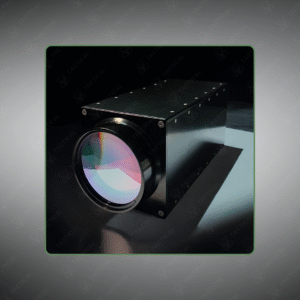
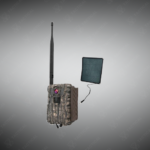


Radar Trail Camera
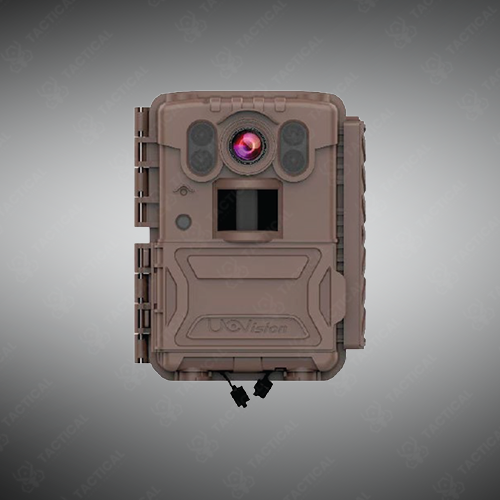
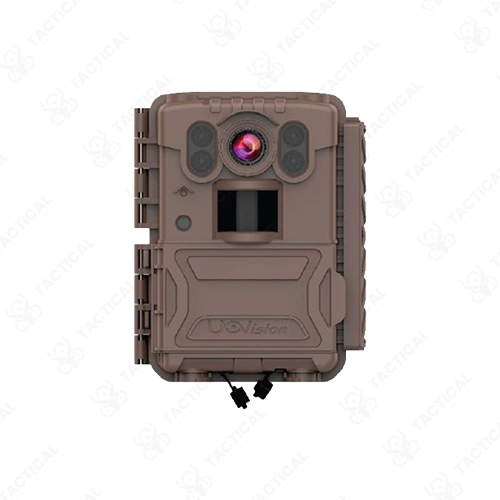
Radar Trail Camera is a special wildlife monitoring camera using microwave radar detection to reliably capture cold-blooded animals that conventional PIR cameras fail to detect.
Key Features:
✔️ Microwave radar detection accurately senses reptiles and low-heat wildlife
✔️ Adjustable detection range from 0.3 m to 1.5 m with five sensitivity levels
✔️ High-resolution image capture from 5 MP up to 32 MP
✔️ Video recording options in 720p, 1080p, and 1440p quality
✔️ Fast 0.6-second trigger speed minimizes missed movement events
✔️ Dual operation modes: radar-triggered capture and programmable time-lapse
✔️ Wide-angle lens covers basking sites, burrows, and shoreline habitats
✔️ IP68 waterproof housing for swamps, wetlands, and extreme weather
✔️ Ultra-low standby power consumption (<200 µA) for extended deployments
✔️ Multiple power options including AA batteries, lithium packs, and solar input
Radar Trail Camera
The Radar Trail Camera employs microwave radar detection technology for monitoring cold-blooded reptiles that fail to trigger standard PIR motion sensors due to low body heat signatures. This specialized unit captures images at resolutions from 5MP to 32MP and records video in 720p, 1080p, or 1440p quality. Radar detection range adjusts between 0.3 meters and 1.5 meters with five sensitivity levels accommodating different target sizes from small salamanders to large crocodiles. The wide-angle lens design provides comprehensive coverage of basking sites, burrow entrances, and water’s edge habitats.
Two trigger modes offer operational flexibility: radar activation responds to movement within detection zones, while time-lapse captures images at programmed intervals. Trigger response time reaches 0.6 seconds from detection to image capture. The IP68 waterproof rating protects internal electronics during submersion in swamp environments and torrential rainfall. Standby current consumption stays below 200 microamps, extending battery life during weeks of field deployment. Power sources include 8 or 16 AA batteries, lithium battery packs, or DC 9-23V solar panel connections supporting up to 512GB SD cards.
Herpetology researchers position the Radar Trail Camera at snake den sites to document emergence patterns and thermoregulation behaviors. Wetland ecologists monitor turtle nesting beaches, recording nocturnal egg-laying activities without disturbing reproductive processes. Crocodile population surveys employ these cameras along riverbanks, capturing basking individuals for photographic identification.
Tactical Supply Pakistan supplies radar-based wildlife monitoring equipment for reptile and amphibian field studies. The company provides guidance on radar sensitivity calibration for different species detection requirements.
Why does radar detection outperform PIR sensors for cold-blooded animal monitoring?
Radar detects physical movement through microwave reflection regardless of thermal signature, capturing activity when reptile body temperatures match ambient conditions where PIR sensors fail completely.
- Fast Shipping: We partner with reliable delivery services to make sure your order gets to you quickly. We work hard to ensure every package arrives safely and on time.
- Quick Processing: Your order is processed and prepared for shipping within 24 to 48 hours. This allows us to send it out to you as fast as possible after your payment is confirmed.
- Tracking: Once your order is on its way, we will provide you with a tracking number. You can use this number to easily follow your package's journey and know exactly when it will arrive.
- Nationwide Delivery: We offer delivery to all locations across Pakistan, including major cities and remote areas. No matter where you are, we can get your order to you.
At Tactical Supply Pakistan, our relationship with you doesn't end after a sale. We are dedicated to making the long-term performance and reliability of our high-quality tactical and supplied equipment. Our commitment is to provide you with seamless support and peace of mind.
- Free Installation: We'll set up your new equipment for you, so it's ready to go. You can focus on your work while our engineers handle as per the guidelines for manufacturer.
- Maintenance: We offer quick replacements where necessary, to keep your gear in top condition. Our team will make sure your equipment is always ready when you need it.
- Customer Support: We're always here to help. Our support team is available to answer your questions and assist you long after you've made a purchase.
- Planned Preventative Maintenance: Our service includes preventative maintenance to keep your equipment in peak condition and prevent future issues.
HAVE QUESTIONS?
Fill out the form, and our team will respond promptly to assist with your product inquiries or order support.